From Forest to Living Room: The Journey of Crafting Quality Indonesian Teak Furniture
Teak wood, with its undeniable reputation as a premium furniture material, symbolizes luxury, strength, and timeless beauty. But have you ever wondered how a teak tree in the forest transforms into that sturdy dining table or exquisite carved cabinet in your living room? The process is far more complex and meticulous than you might imagine. It’s not just about cutting and joining wood; it’s a blend of science, art, and a legacy of craftsmanship.
1. Wood Selection: The Foundation of Quality
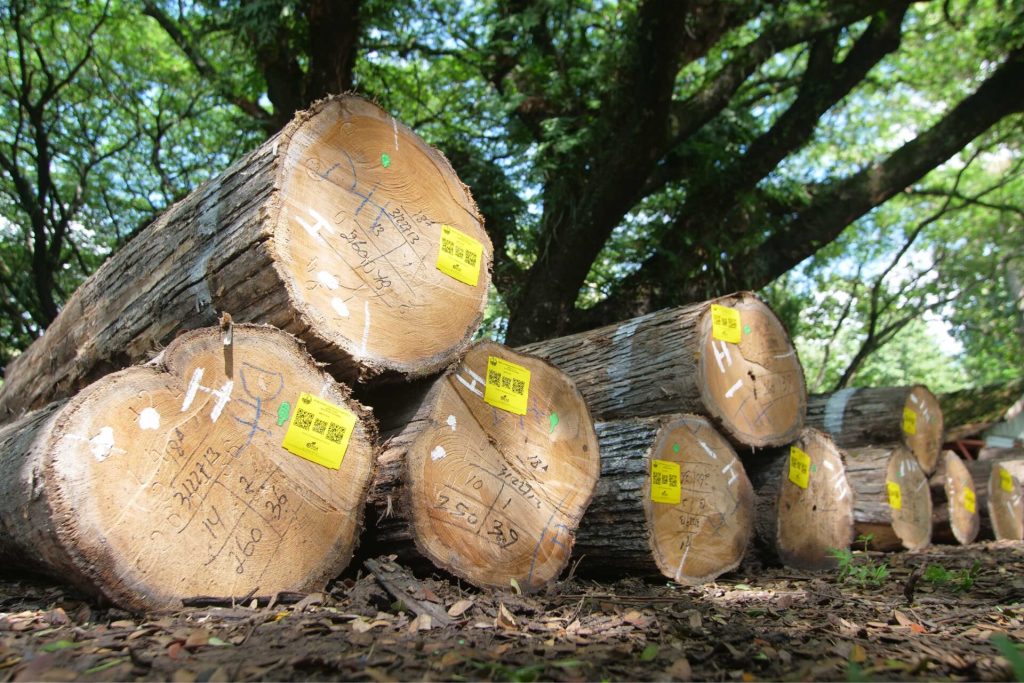
The journey begins in the teak forests, especially in Indonesia, renowned for its high-quality Perhutani Teak. Wood selection is a crucial step that dictates the final quality of the furniture.
- Age and Maturity: Teak trees chosen must be sufficiently mature, ideally decades old. The older the tree, the denser its wood grain and the higher its natural oil content, contributing to its strength, pest resistance, and rich color.
- Visual Inspection: Experts carefully examine each log to ensure there are no significant defects like large cracks, rot, or pest infestations. Straight, knot-free wood is preferred for easier processing and a more beautiful finish.
- Legality and Sustainability: Reputable furniture manufacturers always ensure their teak wood comes from legal and sustainably managed sources. This not only guarantees quality but also supports environmental preservation and the well-being of forest communities.
2. Wood Drying: The Key to Stability and Durability
After being felled and cut into planks or slabs, teak wood cannot be processed immediately. The most vital next stage is drying. This step is crucial for removing excess moisture from the wood and preventing future problems such as cracking, warping, or shrinking.
- Air Drying: Wood is naturally dried in open air, protected from rain and direct sunlight. This process can take months to years, depending on the wood’s thickness.
- Kiln-Drying: This is a more modern and effective method, where wood is dried in specialized kilns with controlled temperature and humidity. The kiln-drying process can reduce moisture content to ideal levels (around 8-12%) in a shorter time, resulting in much more stable and durable wood. High-quality teak furniture almost always undergoes kiln-drying.
3. Shaping and Construction: The Art of Joinery
Once the wood is perfectly dry, it moves to the shaping and construction phase. This is where the artisan’s skill truly shines.
- Cutting and Shaping: The wood is cut according to the planned design. This can involve precise cutting using modern machinery or manual cutting for specific details.
- Traditional Joinery Techniques: These are the heart of teak furniture’s strength. Skilled craftsmen use various joinery techniques without excessive nails or screws, such as:
- Mortise and Tenon: One of the strongest and most durable joints, where a projecting piece of wood (tenon) fits snugly into a mortise (a carved-out hole).
- Dovetail: A trapezoidal joint often used for drawers, providing high strength and aesthetic appeal.
- Dowels: Cylindrical wooden rods used to join two pieces of wood with precise holes.
- Assembly: The shaped and joined pieces are then carefully assembled, ensuring every component fits snugly and securely. The use of high-quality wood glue is also an essential part of this process.
4. Carving Process (If Applicable): Indonesia’s Unique Artistic Touch
Indonesia, particularly regions like Jepara, is renowned for its exceptional carving artistry. If the furniture includes carved elements, this is the stage where artistic details are added.
- Professional Carvers: Artisans use chisels and small mallets to create intricate patterns, which can range from flora and fauna motifs to folklore narratives.
- Precision and Detail: The carving process demands a high degree of precision and patience. Each stroke of the chisel imparts a unique character to the furniture, transforming it into a work of art.
5. Finishing: Perfection and Protection
The final stage is finishing, which not only beautifies the appearance but also provides a protective layer for the wood.
- Sanding: The wood surface is gradually smoothed using sandpaper of various grits, resulting in a perfectly smooth surface ready for finishing.
- Cleaning: All sanding dust is thoroughly removed.
- Finishing Application: Various types of finishes can be applied:
- Natural Oil Finish: Special teak oil is applied to enhance the wood’s natural grain, provide a soft sheen, and allow the wood to “breathe.” This is a popular choice for an authentic look.
- Melamine or Lacquer: Provides a hard, glossy layer, offering extra protection against scratches and stains.
- Duco (Solid Paint): A solid paint coating that covers the wood grain, often used for modern furniture with specific colors.
- Drying and Final Quality Control: After the finish is applied, the furniture is allowed to dry completely. Finally, each product undergoes a thorough final quality inspection to ensure there are no defects and it is ready for shipment to the buyer.